
“I have the sample, now what do I test for or what analysis package should I select?” The basic components that nutritionists need to evaluate a feedstuff or develop a ration are dry matter (DM) or moisture, crude protein (CP), an estimate of the energy content of the feedstuff [Total Digestible Nutrients (TDN), Net Energy for Maintenance (NEm), Net Energy for gain (NEg)], and the macro minerals, Calcium and Phosphorous.
Goats are natural browsers in the wild, being very selective of what they eat. If the seasonal nutritive values of browse and other feedstuffs decline or fluctuate, silage can be a good alternative, especially in production situations that require consistent nutrition on a daily basis. Feeding silage to goats is generally safe but does come with some risks and challenges. There is nothing inherently wrong with feeding silage to goats. Like all ruminants, goats can digest fermented feeds quite well.
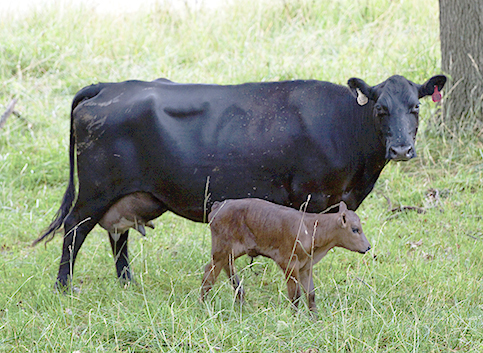
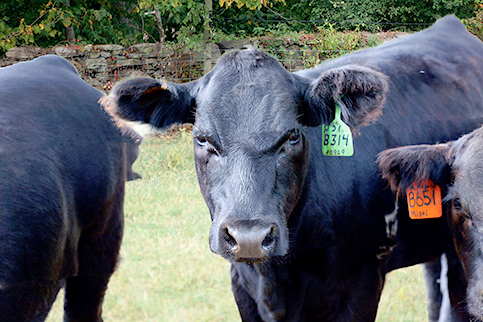
As the forage in our pastures becomes more brown than green in appearance it is not uncommon to notice a few thin cows within the herd. As forage quality declines in late summer/fall it can be difficult for some cows to maintain body condition, especially young cows (first or second calf) or those with relatively high lactation potential. However, the best time to improve cow body condition on spring-calving cows is post-weaning during the fall.