


Community
And So They Say
Nina (Silvers) Smith, Lexington, Va.: “I really enjoyed the article about Joan Balderston and the country school house. At 95 years old, I thought I was the only one left of the country school generation.

Hospital Board meets Tuesday
Please note the day of the regular monthly meeting of the Rooks County Health Center Board of Directors will be held on Wednesday, November 23rd at 6:00 p.m. in the hospital’s meeting room instead of its regular Tuesday evening meeting time. The public is encouraged to attend.

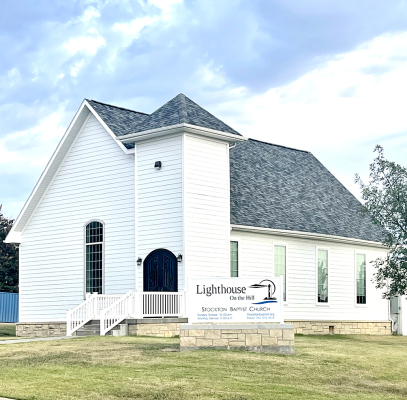
Stockton Baptist Church
WWJD? That's the million dollar question— What would Jesus do? If we only knew what Jesus would do in a given situation, we would know what we should do, too. So, WWJD? First of all, we actually know what Jesus would do.
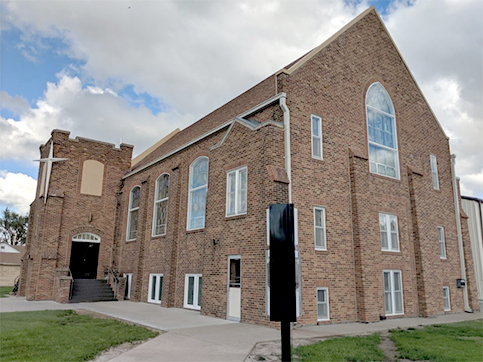
First Christian Church of Plainville
Do you feel an urgency tospreadtheGoodNewsof Jesus? John 14:6 instructs us, “I am the way, and the truth and the life. No one comes to the Father except through me.” Those words by themselves should give us urgency as individuals, and as a church, to tell others.
Four Fire Calls answered by Stockton
The Stockton Fire Department answered four fire calls during the past week with the first coming at 5:20 p.m. on Monday, November 7th on Highway 24 between 13 and 14 Roads for a ditch fire on both sides of the road.

Readers Write
Another year has sped by and once again, it is time for the ‘Deer Ones, the highlight of the year. I also enjoy “Snippets of the Past.” In fact, your paper is an enjoyable read from front to back.

Notice: Need Early Copy by this Friday, Nov. 18th
The Sentinel will be publishing a day early next week in observance of the Thanksgiving holiday, so the absolute deadline for news and ads will be 5:00 p.m. this Friday, November 18th.

Senior Center
The menus for the week beginning Monday, November 21, are as follows: Monday—Chicken strips, mashed potatoes and gravy, broccoli, bread, applesauce. Tuesday—Ground beef vegetable soup, cottage cheese, crackers, pineapple.