
Insight From Kansas Farm Bureau

Body

A perfect spring day has a bright blue sky, just the right amount of heat, a light breeze and an almost unnoticeable humidity. It’s always a welcome sight after winter, but especially after Mother Nature treats everyone to two weeks of below-freezing temperatures. All of that is on top of months of pandemic-induced cabin fever.

Insight

Insight From Kansas Farm Bureau

Body
In recent days I’ve been catching up on chores I decided to put on hold during our recent weather, which caused temperatures to plummet, the sky to appear gray and gloomy, and left many in the middle of the country to adjust energy consumption in the hopes of keeping the power on.
insight

Rachael Boyle, Phillips-Rooks District Extension Agent Agriculture and Natural Resources

Body

The extremely cold temperatures observed in Kansas in mid-February 2021 have the potential to cause winterkill to the winter wheat crop. However, several factors determine whether winter wheat will actually survive the winter. The most important factors from the crop’s perspective include proper cold hardening and root system development, as well as the overall crop status in terms of damage from pests. From an environmental perspective, important factors include air temperature and the consequent soil temperature at the crown level, as well as snow cover and soil moisture content.

Rachael Boyle

Insight From Kansas Farm Bureau

Body

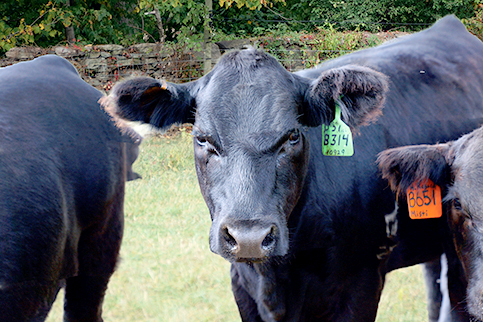
Our first beef calves of the season arrived a few days into February. Each day into calving season temperatures grew colder, and our lives transitioned from normal routines to the highly vigilant survival mode required to weather the arctic storm.

My quiet moments during this bitterly cold stretch have been filled with reflections on the farming and ranching lifestyle. Calving through a storm is hard work that takes a kind of deep, character-refining strength.

Insight

Rachael Boyle, Phillips-Rooks District Extension Agent Agriculture and Natural Resources

Body
There are important guidelines to follow to help extend the life of roses. Keep the vase filled—or the floral foam soaked— with warm water. Add fresh, warm water daily. If the water turns cloudy, replace it immediately. If possible, recut stems by removing 1 to 2 inches with a sharp knife, under water. Keep flowers in a cool spot (62 to 75 degrees Fahrenheit). Place the flowers away from direct sunlight, ceiling fans, heating and cooling vents, and radiators.
roses

Anna Schremmer, K-State Research & Extension Family Consumer Science Agent for Phillips-Rooks District #5

Body
When temperatures drop to the single digits and below, I’m glad I have an indoor job. Unfortunately, not everyone does. When I was still at home on the farm, caring for our calving moms was a constant challenge. We put the cows that looked like they were going to calve in the barn, but there was always that one that fooled us. Dad would bring the cold baby into the house, and Mom would work to save that baby. It was joy to our ears when we heard that baby stand up and want to eat. My hat is off to the farmers and ranchers caring for animals. It is not a fun time and constant work keeping them fed, ice chopped and a dry place to for them to lay down.
cold temperatures
Subscribe to Extension News & Insight