

Anna Schremmer, K-State Research & Extension Family Consumer Science Agent for Phillips-Rooks District #5
Reasons Jars Don’t Seal Properly
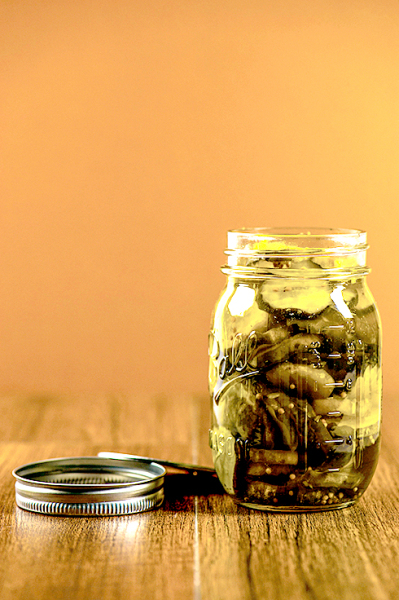
You picked the green beans, snapped, washed and blanched them. Now for processing them for winter. You get the pressure canner out, check the jars, wash and sterilize them. The flats and rings have been washed and readied for putting on the jar. You’ve read the pressure canner instructions and the USDA Complete Guide to Home Canning recipe for green beans. You know Phillips County altitude is 2000 feet and so you need to process the pint jar of green beans at 11 lbs for 20 minutes. You let the pressure canner heat up and vent for 10 minutes before placing the weight on the vent or closing the petcock. You watch your canner gauge so it stays just at 11 lbs, or slightly above. You know the gauge is accurate since you had it tested at the local extension office, and the timer just went off. You turn off the heat, remove it from the burner if possible, and let the canner set until it is depressurized. You’ve removed the weight or opened the petcock and let the canner sit for 10 minutes and then remove dthe lid, lifted the jars out carefully and placed them on a towel. They are beautiful! Seven pint jars of fresh green beans just picked that morning ready for eating this winter. Now to let them cool and store them in a cool dark place until you’re ready to use them. But wait? Several didn’t seal!
Unfortunately, there are many things that can prevent a sturdy airtight seal. Use these tips to prevent having to reprocess your garden’s harvest.
1. Make sure your containers are Mason-type jars made for home canning. Non-standard jars may have a mouth that doesn’t perfectly fit the two-piece canning lids.
2. Check jars for chips on the rim. The smallest chip or crack in the rim of the jar can prevent it from sealing.
3. Reuse only the screw bands that are unbent and free from rust.
4. Always clean the top edge of the jar before placing the flat. The slightest particle of food can prevent the flat from attaching itself to the jar rim.
5. Follow manufacturer’s instructions for the flat. Boiling a flat that wasn’t supposed to be can make the sealing compound too soft. When the air is forced from the jar and the flat is suctioned down it results in metal against glass on the rim with no seal.
6. Screwing the ring on too tightly can prevent a good seal. Screw it on until it catches and then turn it a quarter of the way around the jar.
7. Always leave the correct amount of headspace. Too little can result in food being suctioned out leaving food on the jar rim. Too much can mean not enough air escaping so that the flat isn’t suctioned onto the rim.
The U.S. Department of Agriculture recommends two-piece self-sealing lids for home canning. The flat piece, called the flat, has a sealing compound around the rim. The other piece is a screw band, called a ring, that holds the flat in place. During the canning process, air is forced out of the jar creating a partial vacuum. As the jar cools, this vacuum sucks the lid onto the jar. During this process, the heated sealing compound wraps itself around the rim of the jar creating an airtight seal. The jar isn’t fully sealed until the compound has cooled, 12 to 24 hours after the jars have been removed from the canner.
An update to the lack of Ball and Kerr jars and lids: Newell Brands, makers of Ball/Kerr products have stated “Over the past few months, we have increased production, to replenish stock as quickly as possible. As a result of these efforts to maximize supply, mitigate consumer disruption and meet growing consumer demand, we can confirm that we are currently supplying all customers in time for canning season. That doesn’t mean that we will be in stock all of the time everywhere, but consumers will hopefully start to see more product flowing onto shelves at local stores.”
What about jars from foreign countries? These canning supplies have not been tested by the USDA as of yet. The biggest problems using these canning supplies is breakage and not sealing or lasting as long. Be aware that “off-brand” flats may not fit correctly the Kerr and Ball jars and as a result the compound on the flats will not hold the seal. Check the Phillips-Rooks Website for Ball jars recommended for both canning and storage.
In these times, patience is the key. There is nothing more discouraging than to do the work of processing food from your garden and fruit trees and then have it spoil or a jar doesn’t seal.
“Knowledge for Life” provided by Phillips-Rooks Extension District #5 and K-State Research and Extension.
- Log in or Subscribe to post comments.