

Anna Schremmer, K-State Research & Extension Family Consumer Science Agent for Phillips-Rooks District #5
Onions
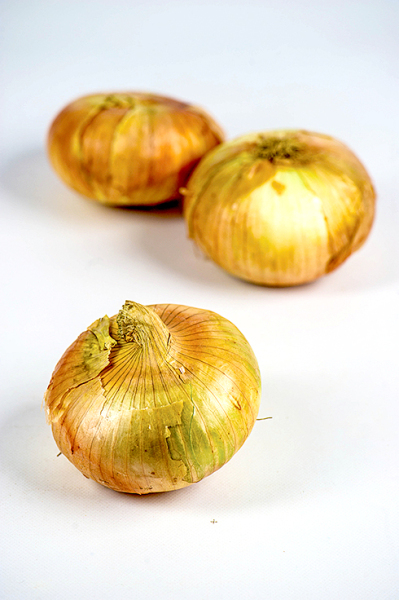
Have you gone to a grocery store to buy onions but don’t know what kind to get? What do you do? Close your eyes and grab one hoping it is the best kind to use in your recipe?
Alliums (onions, garlic, leeks, scallions) are a staple in every kitchen. Different types of onions can add immense flavor to any dish. Choosing the right one for whatever you’re cooking will help you achieve the best (and most delicious) results. Here’s a simple guide to understanding what each type of onion has to offer.
Yellow Onions
Good for: All recipes, especially caramelizing. If a recipe doesn’t specify what type of onion to use, your safest bet is a yellow onion. Yellow onions are your standard cooking onion.
Sweet Onions
Good for: Salads, relishes, garnishes. Popular sweet onions include Vidalia, Sweet onions have a mild onion flavor with a touch of sweetness that can be used in a number of things.
Red Onions
Good for: Salads, grilling and pickling. Red onions are sweetest from March to September and pair well with equally strong-flavored greens and are great for roasting, grilling and pickling.
White Onions
Good for: Mexican dishes and grilling. White onions is the type of onion you’ll usually find in prepared salads (potato and macaroni salads) and traditionally in Mexican cuisine. White onions can be strong but they tend to have less aftertaste.
Shallots
Good for: Sauces and dressings. Shallots have a mild onion flavor. These bulb-shaped alliums taste like a garlic-onion hybrid. In French cooking, shallots are used in vinaigrettes and sauces, as well as on top of steak
Scallions
Good for: Asian and Mexican cooking and garnishes. These two-tone onions can be eaten cooked or raw. Scallions or green onions have a milder flavor than regular onions.
How to Purchase and Store Onions
Purchase firm onions that are free of blemishes. The papery orbs shouldn’t have a scent. Onions should be stored in a cool, dark place with plenty of ventilation. Avoid storing whole unpeeled onions in the refrigerator.
Onions consist mostly of water, carbohydrates, and fiber. Their main fibers, fructans, can feed the friendly bacteria in your gut, though they may cause digestive problems in some people. Onions contain decent amounts of vitamin C, folate, vitamin B6, and potassium. Onions are rich in plant compounds and have antioxidant and anti-inflammatory effects. Colorful varieties, such as yellow or red ones, pack more antioxidants than white ones.
“Knowledge for Life” provided by Phillips-Rooks Extension District #5 and K-State Research and Extension.
- Log in or Subscribe to post comments.