

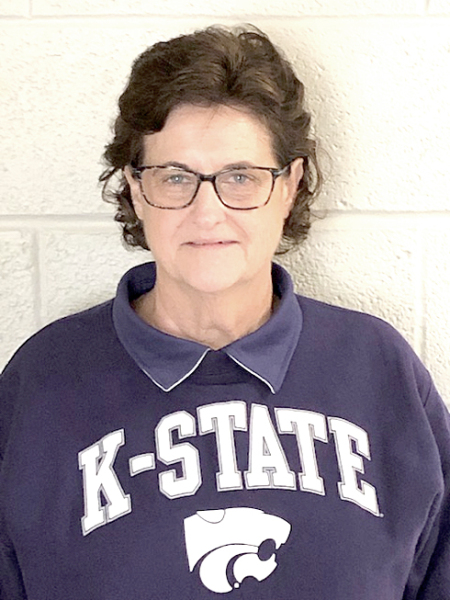
Anna Schremmer, K-State Research & Extension Family Consumer Science Agent for Phillips-Rooks District #5
New Dietary Guidelines for Americans
We had the Four Food Groups, then the Five Food Groups, then the Food Guide Pyramid, then we got Myplate. Each came with Dietary Guidelines that we are to follow for a healthy lifestyle. What is great about these changes and updates, is the knowledge we have learned and developed over the years so we can manage a healthier lifestyle. It’s not that we were doing things wrong, it’s we can do better with the knowledge of the food and how our body uses it.
The Dietary Guidelines for Americans, 2020-2025 announced in December 2020, mark the first time that the governmental agency has devoted chapters to each life stage, including sections on infants and toddlers, and women who are pregnant or lactating.
“We all can make changes to our dietary pattern that can be beneficial at any stage of life, infancy to older adulthood,” Karen Blakeslee, Kansas State University food scientist said. “The Dietary Guidelines take a lifespan approach to meet dietary needs at any age. Good nutrition during the first year of life helps set the foundation for healthy habits as children grow.”
Blakeslee champions the phrase from the Dietary Guidelines, ‘Make Every Bite Count,’ as a way to good health throughout life. She offers four guidelines:
• Eat a healthy diet throughout every life stage.
• Choose nutrient-dense foods that fit your personal preferences, cultural traditions and budget.
• Eat foods from each food group that are nutrient-dense and within calorie limits.
• Limit added sugars, saturated fat, sodium and alcoholic beverages.
She notes that those four principles can help reduce the incidence of chronic diseases that affect about 60% of Americans.
“Be intentional when making food choices to make every bite of food be the best that it can be for you,” Blakeslee said. “Food should be the primary source of nutrients and including a variety of foods each day helps meet your personal nutritional needs. Nutrient-dense foods have little to no added sugar, saturated fat and sodium.”
She notes that the Dietary Guidelines for Americans, 2020-2025 are not intended to be a rigid prescription for eating right, but “they are a guide to make personal choices to meet your nutritional needs.”
“They are designed for all people and using the guidelines can help slow the progression of many chronic diseases. The Dietary Guidelines for Americans are backed with scientific justification to help improve the lives of consumers.”
“Knowledge for Life” provided by Phillips-Rooks Extension District #5 and K-State Research and Extension.
- Log in or Subscribe to post comments.
