

Pfizer's COVID vaccine to arrive at RCH this week
Moderna vaccine to arrive next week at health department
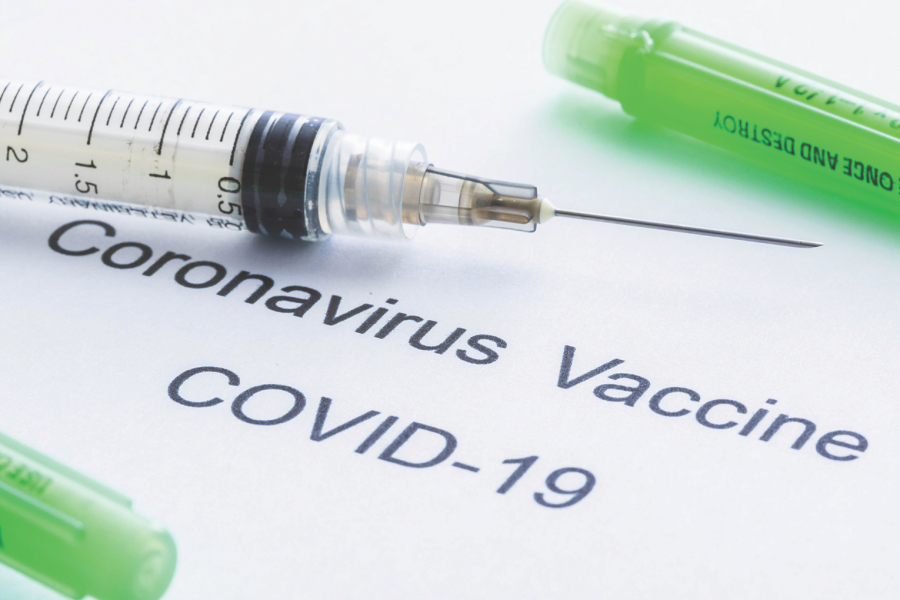
At the Tuesday meeting of the Rooks County Commission held on December 15th, Rooks County Health Nurse Lori Eichman gave the commissioners an update on the COVID-19 numbers for the county. At the time of the report there were 23 active cases, nine deaths, and 435 total positive cases recorded in Rooks County since the first of March.
Eichman stated the Pfizer vaccine was set to arrive at the Rooks County Health Center later this week, and the county health department is expecting the Moderna vaccine to arrive some time next week. Healthcare workers across the United States are among the first Americans set to receive the federally approved coronavirus vaccine so this first shipment of vaccine is to go to health care workers, health department employees, pharmacists and nursing home staff and residents.
FDA staff evaluated the results that Pfizer and BioNTech provided to the agency from a clinical trial of about 44,000 people, which tested whether the vaccine safely protected people from Covid-19. FDA staff concluded the vaccine met success criteria by reducing the risk of contracting Covid-19 and becoming symptomatic.
When can I get the vaccine?
Federal officials allocated an initial supply of about 6.4 million doses of the Pfizer vaccine to become available after authorization. Of these, 2.9 million doses are expected to be shipped immediately, and another 2.9 million held back and shipped about three weeks later so the initial vaccine recipients can receive the second of two doses. Federal officials are holding 500,000 doses of the initial supply in reserve in case any problems arise. Health officials have recommended this limited supply—plus additional doses expected this month—should go to health-care workers and residents of nursing homes and other long-term-care facilities. As supplies increase in January and February, additional high-priority groups will be vaccinated, including essential workers like police and teachers, adults 65 and older, and people with high-risk medical conditions.The order of these groups may vary by state. The general U.S. population outside those categories may not get access to a vaccine until spring or summer.
How can I get one?
Hospitals will vaccinate their workers and, in some cases, health workers from the surrounding community. Pharmacy chains will vaccinate staff and residents at nursing homes and other long-term-care facilities. As supplies increase, the wider population will be able to get vaccinated at local health departments, doctors’ offices, urgent-care centers and pharmacies.
How do we know the vaccine protects against the virus?
In the large clinical trial, the vaccine was shown to be 95% effective at preventing Covid-19 cases with certain symptoms, including severe cases.
How does the vaccine work?
The vaccine uses messenger RNA or mRNA, technology, which doesn’t contain the coronavirus itself, but rather a genetic code associated with the virus that triggers the desired immune response. The mRNA is engineered to teach human cells to make something resembling the spike protein found on the surface of the coronavirus. This induces an immune response that shores up defenses if a vaccinated person is later exposed to the real virus. The vaccine is given in two injections, three weeks apart.
Is the vaccine safe?
The FDA said it identified no specific safety concerns that would preclude authorization. Common side effects in the large study included injection-site pain, fatigue, headache, chills and joint and muscle pain. Such symptoms were generally mild or moderate, and happened more frequently after the second dose.
Can the vaccine cause allergic reactions?
There is a remote chance the vaccine could cause a severe allergic reaction, according to a fact sheet released by the FDA Friday. Such a reaction would usually occur within a few minutes to one hour after receiving the shot. People who have had a severe allergic reaction to the first dose should not get a second one, the FDA said. And people who have had allergic reactions to any ingredient of the vaccine shouldn’t get it. In the U.K., which authorized the vaccine on Dec. 2, two health-care workers had allergic reactions shortly after vaccination, prompting the U.K. health regulator to advise that people with a history of allergic reactions not receive the vaccine. The FDA said there was a higher rate of hypersensitivity reactions among vaccine recipients than in people who had received a placebo in the large study. But the overall rate of such events was less than 1% of all study subjects.
What don’t we know about the vaccine?
It is not yet known whether the vaccine prevents asymptomatic cases or transmission of the virus. The FDA said it didn't have enough data to make conclusions about the safety of the vaccine in children younger than 16, pregnant or lactating women, and immunocompromised people. We also don’t yet know the duration of protection afforded by the shots.
- Log in or Subscribe to post comments.