
Matthew Benoit
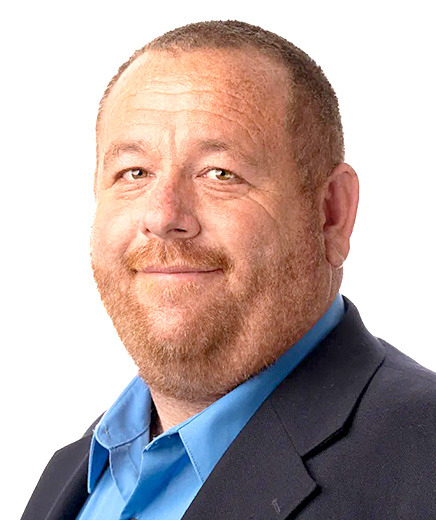
I’m Matt Benoit, and I was lucky enough to grow up in Damar, where community really means something. Both of my parents were first responders and active in just about everything around town, so I learned early on the value of giving back.
After graduating from Kansas State University with a degree in Milling Science and Management, I met my wife Becky, and together we spent several years working with ConAgra Mills (now Ardent Mills), living in different cities and states across the country. It was a great experience, but when it came time to start a family, we knew we wanted to come back to Kansas.
I took a job as a regional manager for Midland Marketing in LaCrosse, but not long after, the opportunity came up to return to Damar and farm full time with my family — and we jumped at the chance. Since moving back, I’ve stayed involved in the community, serving on the city council, volunteering with the fire department, and currently serving as a commissioner on the Kansas Grain Sorghum Commission. Becky works from home as a sales rep for Ardent Mills, and we’re raising our three kids here, all of whom attend school in USD 269. We’re proud to call this place home and to be a part of such a strong and supportive community.
What special skills, talents or knowledge do you possess that will be an asset to the hospital and the board?
I bring a strong background in numbers and financial management, with extensive experience in budget analysis and creation. I’m highly proficient in deciphering complex financial data and using it to make informed, strategic decisions.
My approach to decision- making is grounded in facts and logic—I don't let politics or emotions influence my judgment, which allows me to stay focused on what’s best for the hospital and its long-term success.
Professionally, I’ve had the opportunity to live in five different states while working for a Fortune 500 company, where I was responsible for the day-today operations of multiple facilities. That experience has given me a broad perspective, operational expertise, and a deep understanding of organizational efficiency—all of which I believe can bring value to the board and support the mission of the hospital.
Why do you want to be a member of the hospital board?
I want to serve on the hospital board because I care deeply about the future of our hospital and the well-being of our community. As someone who is raising a family in this area, I have a strong personal investment in ensuring that quality healthcare remains accessible close to home. I want to be part of the decision-making process to help effect meaningful change, promote transparency,and contribute to keeping the hospital open and thriving for years to come.
Are you willing to commit whatever time and support that would be required to meet the needs of the hospital?
Yes, absolutely. My current job provides me with the flexibility to attend meetings, events, and any other obligations that may arise. I understand the importance of being present, engaged, and responsive as a board member, and I’m fully committed to dedicating the time and support necessary to help the hospital succeed and serve our community effectively.
Can you be supportive of and champion decisions of the board even if you may have cast a dissenting vote?
Yes. I believe strongly in the democratic process.
While I may at times cast a dissenting vote based on my perspective and judgment, I fully respect the will of the majority. Once a decision is made, I will support it publicly and work to help implement it effectively. A unified front is essential to maintaining trust, stability, and progress within the organization and the community we serve.
What do you see as RCH’s greatest challenges?
One of RCH’s greatest challenges is allowing politics to influence operations and decision-making rather than focusing solely on what is best for the hospital, its staff, and the community it serves.
When external or internal political agendas take precedence over patient care and organizational integrity, it can create confusion, low morale among staff, and a disconnect from the hospital’s mission.
Another critical challenge is the lack of transparency. When decisions are made behind closed doors and the community or staff are informed only after the fact, it erodes trust. Transparency is vital—not just for accountability, but also for building a strong partnership with the community and ensuring that everyone, from employees to patients, feels valued and informed.
How should the hospital best overcome those challenges?
To overcome the challenges effectively, the hospital should focus on cultural transformation that realigns all staff and employees with the core mission of the hospital.
