

Anna Schremmer, K-State Research & Extension Family Consumer Science Agent for Phillips-Rooks District #5
A Little Cup of Joe is All You Need
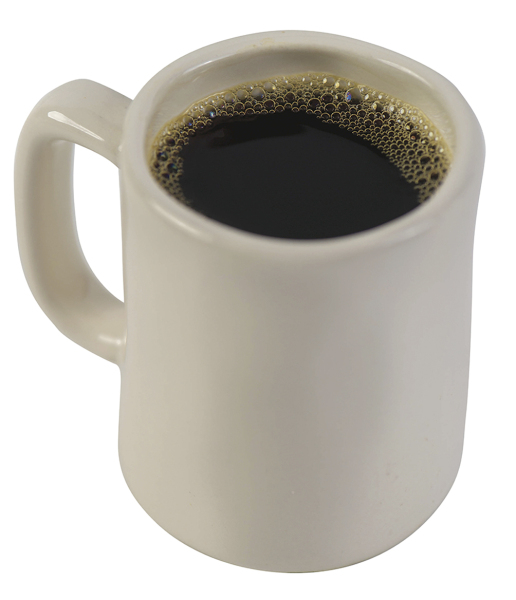
I like my coffee! Just hot black coffee, nothing in it, every morning. When it is cold outside I drink more than I should but it warms me up. How much is too much?
It’s a brand-new day! To power through your to-do list, you make a beeline towards your coffee machine as soon as your feet hit the floor. While counting on the burst of energy your first sip of coffee promises, you begin your first task with confidence. Many do to get their day started. Caffeine has been a go-to source of energy for centuries.
Caffeine has some benefits. It is a mild stimulant and can improve brain function. It has some potential to lower risks for type 2 diabetes, heart disease and some types of cancer. Besides caffeine, polyphenols and antioxidants can also provide some protection to chronic illnesses.
But, while these benefits are encouraging, there are some risks. Not everyone reacts to caffeine the same. Caffeine consumption fre quency can cause you to consume even more over time to get the same affect. Excess caffeine can raise blood pressure, cause insomnia, jitters, increased heart rate, headaches, nausea among other health concerns. Your weight and medications you take can also change how you tolerate caffeine.
The 2020-2025 Dietary Guidelines for Americans recommend that healthy adults can safely consume 400 mg of caffeine each day. This is equal to about four cups of coffee. Pregnant women should cut that amount in half.
Getting enough sleep can help reduce the amount of caffeine needed to stay awake. Adults should strive for seven to nine hours of sleep each night.
Besides coffee, there are other choices. Caffeine is naturally found in tea leaves, coffee and cacao beans, while added caffeine is manufactured (e.g., what’s found in many energy drinks and sodas). Is one better than the other? Actually no, both natural caffeine and added caffeine act similarly in our bodies.
Too much caffeine can cause health concerns, including increased blood pressure, a rapid or unstable heartbeat, seizures and even death. Short-term caffeine effects can include insomnia, jitters, anxiousness, a fast heart rate, an upset stomach, nausea, headache, a feeling of unhappiness and magnified stress. Needless to say, none of these are effects we are looking for in a cup of joe. “Knowledge for
Life” provided by Phillips-Rooks Extension District #5 and K-State Research and Extension.