

Anna Schremmer, K-State Research & Extension Family Consumer Science Agent for Phillips-Rooks District #5
What to do if you are stung by a bee or wasp?
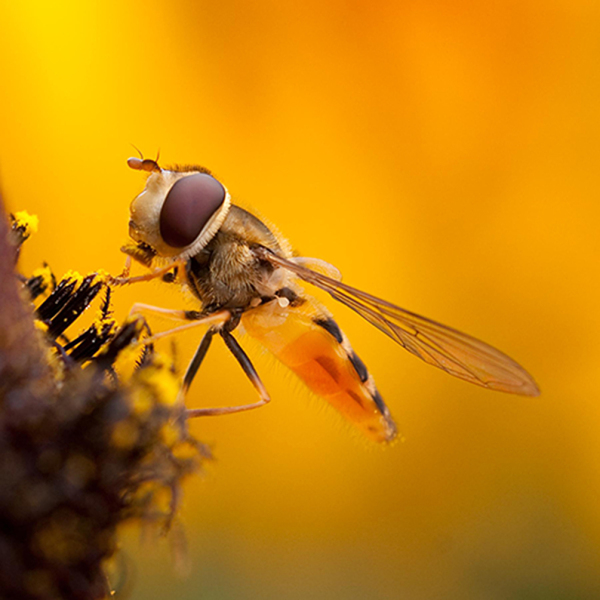
You know it is spring when the bees and wasps start flying around. Due to the fact that I am mildly allergic to bee or wasp stings, I try to avoid the bees and wasps at all costs, but sometimes they just reach up and sting you anyway. Such happened to me when I reached in and got my mail. Zap that burning hurt that makes you feel as though someone stuck a hot knife into your skin. Once you have been stung and everyone sees your swollen hand, you are the “victim” of all sorts of advice. So I decided to find out the facts.
Some advice I received was: put toothpaste, bleach, baking soda paste, a penny, or vinegar soaked paper on the sting. While some of these home remedies are good advice, it is best to know the facts. Everyone reacts differently when stung so monitor how you respond to the sting. My reaction to stings seems to be localized while my father-in-law carried a bee sting kit and headed to the hospital if he was ever stung. My kids must be really careful as a person’s sensitivity seems to be inherited. We all have different reactions to the stings, that is why we need to know what to do when the stings occur.
Bees and wasps, for the most part, are beneficial to people. Honey bees produce honey and wax and serve as important pollinators. Wasps attack many kinds of harmful insects including flies and caterpillars. In spite of their value, bees and wasps can become a nuisance when they move into a building or your home. When this occurs, they can be controlled effectively with insecticides, or by removing the swarm or colony.
The honey bee has a barbed stinger and can sting only once, leaving the stinger at the site. Wasps have stingers without barbs, and they can sting repeatedly. Wasp stings are painful and they live in colonies, so if you are stung by one, chances are that you will be caught unaware by a bunch of them and more stings will follow. A wasp stings its victim repeatedly, and has a mechanism to call their mates to join in. This makes them very dangerous.
When stung by a honey bee, a person should carefully remove the stinger by using a scraping action from the side. A credit card works well for this. Any squeezing will force more venom under the skin.
Ok what should I do if I get stung by a bee?
• Wash the wound carefully with soap and water. This will help remove the venom.
• Apply cold water or ice with a wet cloth.
• A solution of vinegar or lemon juice helps to neutralize the effect of venom and provide a cooling effect to the skin.
• Take a pain reliever or an oral antihistamine to reduce swelling.
• Apply a calamine product to reduce itching. A paste of baking soda is also effective.
• Lie down, lower the stung arm or leg below the heart.
• Do not drink alcohol or take sedatives
If the sting is to the throat or the mouth, seek medical attention immediately. Swelling in these areas can cause suffocation.
How do you know if you could be allergic to a bee or wasp sting? The following are the most commonly seen symptoms of an allergic reaction to bee or wasp stings.
• Severe swelling in parts of the body distant from the sting site.
• Widespread skin irritation.
• Difficulty breathing.
• Dizziness or fainting.
• Excessive wheezing and difficulty in swallowing.
• Increases pulse rate.
• Sharp drop in blood pressure.
• Swelling of the throat, the face, and the mouth.
• Hives on the skin that look like inflamed and itchy rashes, and are rapidly spreading to many parts of the skin.
If you experience any of the above symptoms after a sting, contact a physician or go to an emergency room immediately!
It is also important to note that if a person has suffered from an allergic reaction to bee or wasp sting once in his life, he is more prone to experience a similar allergic reaction in the future if he gets stung by a bee or wasp again.
The insects are flying and it is important for us to take precautions to keep from getting stung.
“Knowledge for Life” provided by Phillips-Rooks Extension District #5 and K-State Research and Extension.
- Log in or Subscribe to post comments.